
Pavlos Melas: A Historical Figure and His Legacy
Pavlos Melas: A Historical Figure and His Legacy
 Pavlos Melas was a Greek military officer and revolutionary who played a significant role in the Macedonian Struggle. His bravery, patriotism, and leadership have earned him a place in Greek history as a hero and a symbol of the struggle for independence. This article aims to explore the life and legacy of Pavlos Melas, highlighting his contribution to Greece’s fight for freedom and his enduring impact on Greek culture and society.
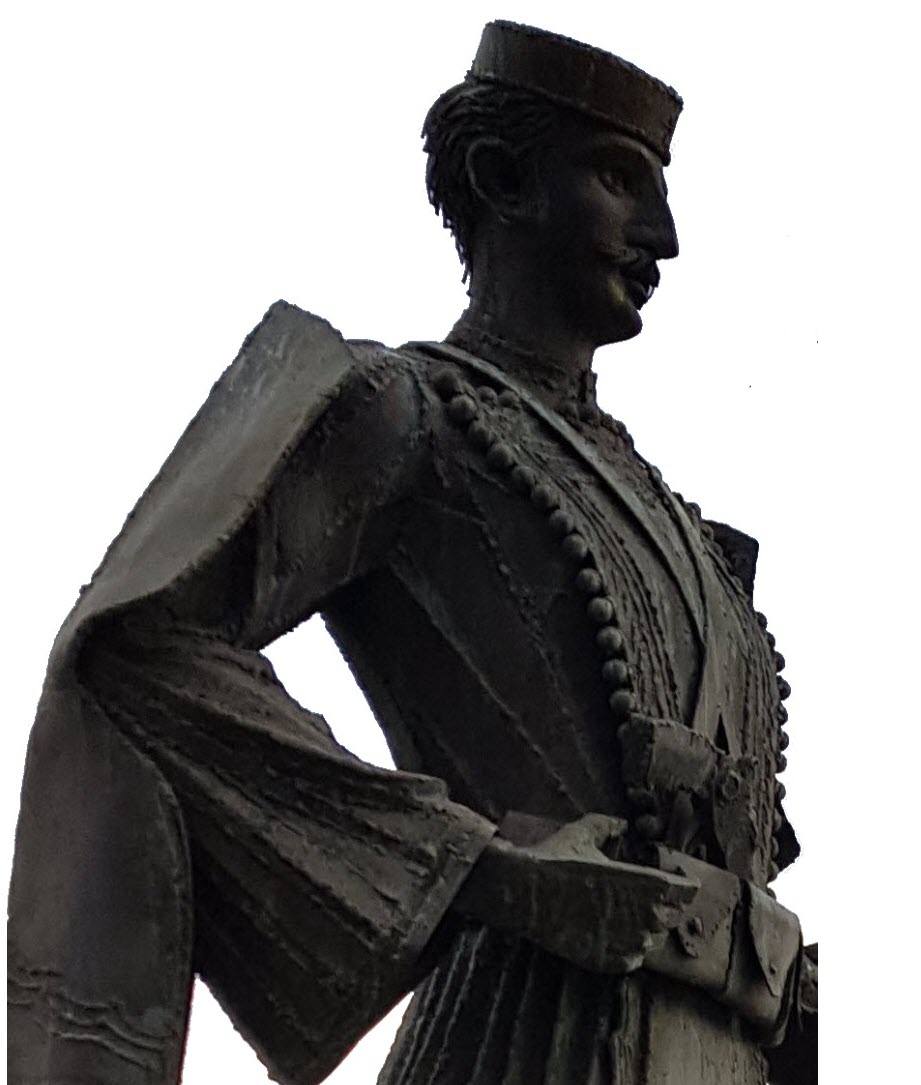
Who was Pavlos Melas?
Pavlos Melas was born on September 29, 1870, in Marseilles, France, to Greek parents. His family moved to Thessaloniki, then part of the Ottoman Empire, where Pavlos grew up and received his education. In 1896, he graduated from the Hellenic Military Academy and joined the Greek Army as an officer. Melas served in several military campaigns, including the Greco-Turkish War of 1897 and the Balkan Wars of 1912-1913.
Melas’ role in the Macedonian Struggle
Melas is best known for his involvement in the Macedonian Struggle, a series of guerrilla wars fought by Greeks, Bulgarians, and Serbs for control over the region of Macedonia. In 1904, Melas joined the Committee of Union and Progress (CUP), a revolutionary organization that aimed to liberate Macedonia from Ottoman rule. He led several successful operations against Ottoman troops and was instrumental in organizing the Greek irregular forces. In 1908, he founded the Macedonian Committee, a secret society that coordinated the resistance efforts of Greek Macedonians.
Legacy of Pavlos Melas in Greece
Pavlos Melas’s legacy is one of heroism, sacrifice, and patriotism. His efforts in the Macedonian Struggle helped to secure Greece’s borders and preserve its territorial integrity. Melas’s bravery and leadership have made him a symbol of the Greek national identity and a role model for generations of Greeks. Today, he is remembered as a national hero whose legacy continues to inspire Greeks around the world.
Commemoration of Pavlos Melas throughout history
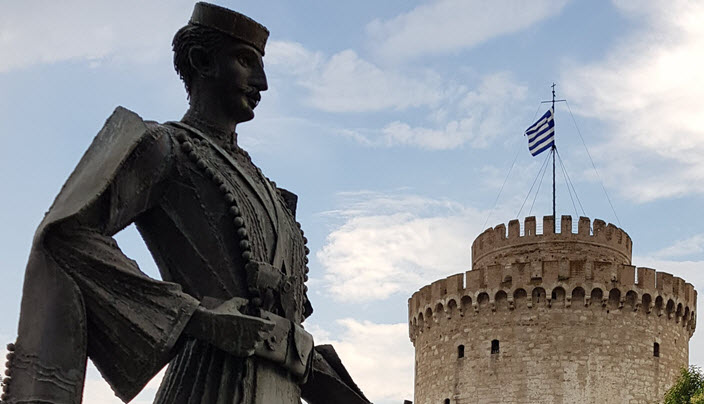
Pavlos Melas has been commemorated in various ways throughout Greek history. In 1913, the Greek government awarded him the rank of Major General posthumously, and a monument was erected in his honor in Thessaloniki. In 1921, the Greek Army established the Pavlos Melas Infantry Division, which played a crucial role in the Greek-Italian War of 1940-1941. In 1962, a museum dedicated to Melas’s life and work opened in his hometown of Kastoria. Today, his name has been given to streets, schools, and other public institutions throughout Greece.
Pavlos Melas’s life and legacy are a testament to the courage and resilience of the Greek people. His contributions to the Macedonian Struggle and his enduring impact on Greek culture and society have made him a national hero and a symbol of the struggle for independence. As Greeks continue to face new challenges, Pavlos Melas’s example serves as a reminder of the importance of bravery, patriotism, and leadership in times of adversity.
-
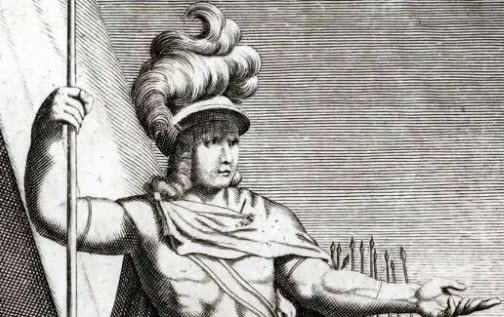
Eumenes, Peucestas, Balacrus
Eumenes of Cardia was a Greek general and scholar who came to Alexander’s court by an unusual route. At a very early age he was employed as private secretary by Philip II of Macedon, and after Philip’s assassination in 336 BC, by Alexander himself, whom he accompanied into Asia.
-
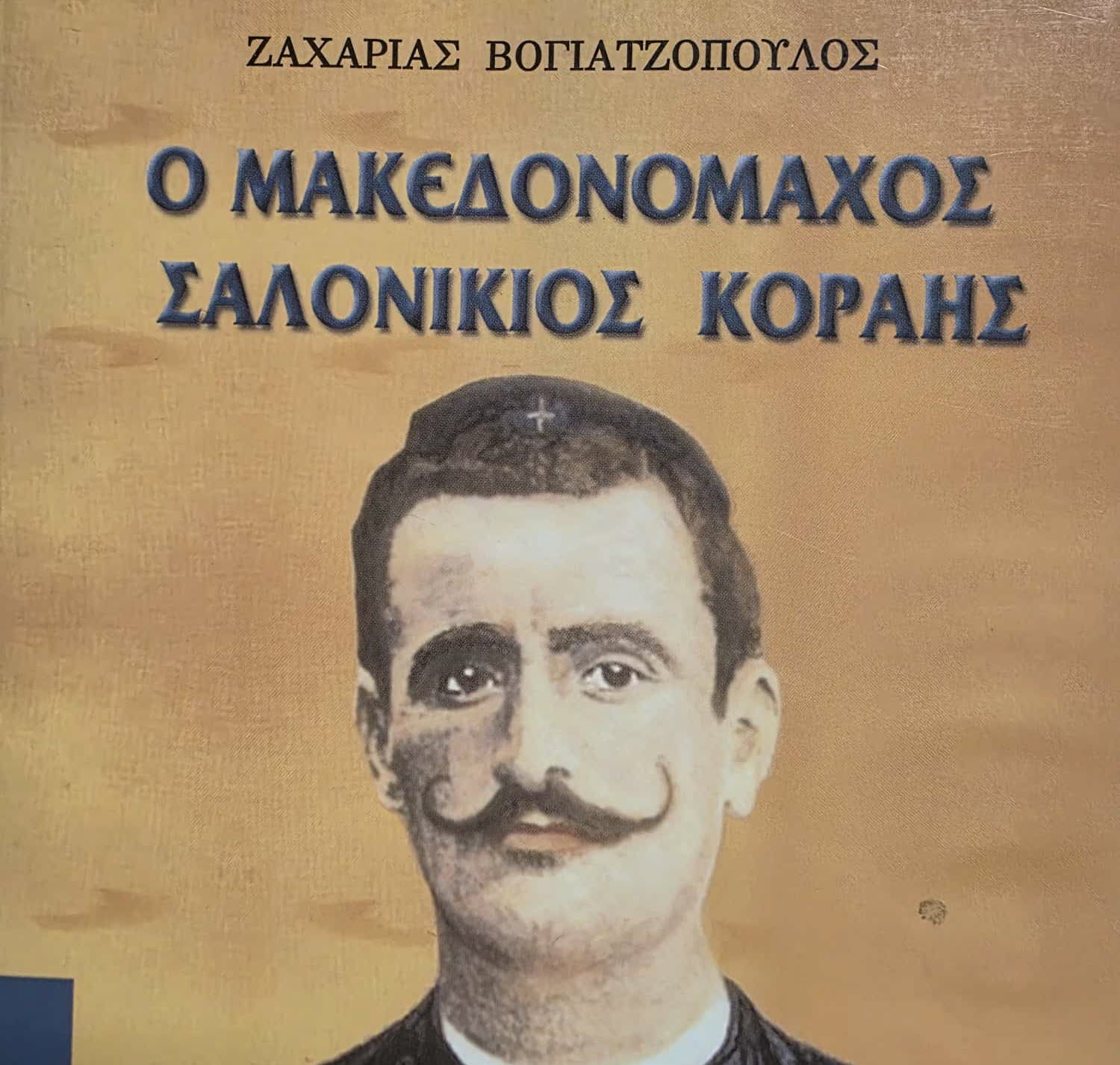
Ο Ζαχαρίας Βογιατζόπουλος και η Bonegilla
Ο Ζαχαρίας Βογιατζόπουλος υπήρξε κεντρική μορφή στην ιστορία της μεταπολεμικής ελληνικής μετανάστευσης προς την Αυστραλία, συνδέοντας τη δράση του τόσο με τη ΔΕΜΕ (Διακυβερνητική Επιτροπή Μεταναστεύσεως εξ Ευρώπης / ICEM) όσο και με το Bonegilla Migrant Reception and Training Centre στη Βικτώρια της Αυστραλίας.
-
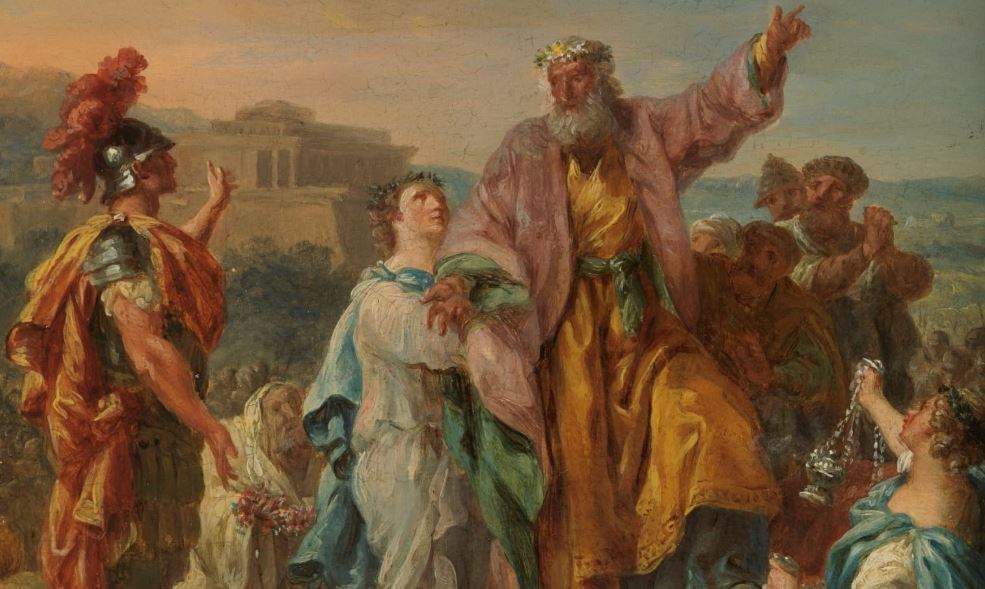
Onesicritus — Helmsman and later writer
Iakovos Garivaldis OAM This is another high commander in Alexander’s army, mainly part of the naval command. He was a Greek historian and Cynic philosopher who accompanying Alexander the Great wrote a notable, though often criticized, account of his campaigns. Onesicritus: The Helmsman Who Wrote Himself into History Onesicritus (c. 360 – c. 290 BC)…
-
Eumenes, Peucestas, Balacrus
Eumenes of Cardia was a Greek general and scholar who came to Alexander’s court by an unusual route. At a very early age he was employed as private secretary by Philip II of Macedon, and after Philip’s assassination in 336 BC, by Alexander himself, whom he accompanied into Asia.
-
Ο Ζαχαρίας Βογιατζόπουλος και η Bonegilla
Ο Ζαχαρίας Βογιατζόπουλος υπήρξε κεντρική μορφή στην ιστορία της μεταπολεμικής ελληνικής μετανάστευσης προς την Αυστραλία, συνδέοντας τη δράση του τόσο με τη ΔΕΜΕ (Διακυβερνητική Επιτροπή Μεταναστεύσεως εξ Ευρώπης / ICEM) όσο και με το Bonegilla Migrant Reception and Training Centre στη Βικτώρια της Αυστραλίας.
-
Onesicritus — Helmsman and later writer
Iakovos Garivaldis OAM This is another high commander in Alexander’s army, mainly part of the naval command. He was a Greek historian and Cynic philosopher who accompanying Alexander the Great wrote a notable, though often criticized, account of his campaigns. Onesicritus: The Helmsman Who Wrote Himself into History Onesicritus (c. 360 – c. 290 BC)…
-
Eumenes, Peucestas, Balacrus
Eumenes of Cardia was a Greek general and scholar who came to Alexander’s court by an unusual route. At a very early age he was employed as private secretary by Philip II of Macedon, and after Philip’s assassination in 336 BC, by Alexander himself, whom he accompanied into Asia.
-
Ο Ζαχαρίας Βογιατζόπουλος και η Bonegilla
Ο Ζαχαρίας Βογιατζόπουλος υπήρξε κεντρική μορφή στην ιστορία της μεταπολεμικής ελληνικής μετανάστευσης προς την Αυστραλία, συνδέοντας τη δράση του τόσο με τη ΔΕΜΕ (Διακυβερνητική Επιτροπή Μεταναστεύσεως εξ Ευρώπης / ICEM) όσο και με το Bonegilla Migrant Reception and Training Centre στη Βικτώρια της Αυστραλίας.
-
Onesicritus — Helmsman and later writer
Iakovos Garivaldis OAM This is another high commander in Alexander’s army, mainly part of the naval command. He was a Greek historian and Cynic philosopher who accompanying Alexander the Great wrote a notable, though often criticized, account of his campaigns. Onesicritus: The Helmsman Who Wrote Himself into History Onesicritus (c. 360 – c. 290 BC)…
 Save as PDF