Σλαῦοι. Λαοὶ τῆς Εὐρώπης
Ἅρπαγες λαοὶ τῆς Ἀνατολῆς ἦλθον ἐπὶ ἡγεμόνος (Κων/νου Δ’) Πωγωνάτου. Ἀριστοτέλης Ντοβόρης ὁμηριστὴς συγγραφεύς Ἡ ἱστορία τῶν Σλαύων καλύπτεται ὑπὸ τοῦ σκότους πρὶν τὸν δ¢ … Read More

Ἅρπαγες λαοὶ τῆς Ἀνατολῆς ἦλθον ἐπὶ ἡγεμόνος (Κων/νου Δ’) Πωγωνάτου. Ἀριστοτέλης Ντοβόρης ὁμηριστὴς συγγραφεύς Ἡ ἱστορία τῶν Σλαύων καλύπτεται ὑπὸ τοῦ σκότους πρὶν τὸν δ¢ … Read More
Society extends different permissions to men and women as they age. A man with silver hair and deepening lines is often described as “distinguished” or “seasoned.” A woman who makes the identical decision—to stop dyeing her hair, to forgo makeup, to let time show on her face—is often met with concern…
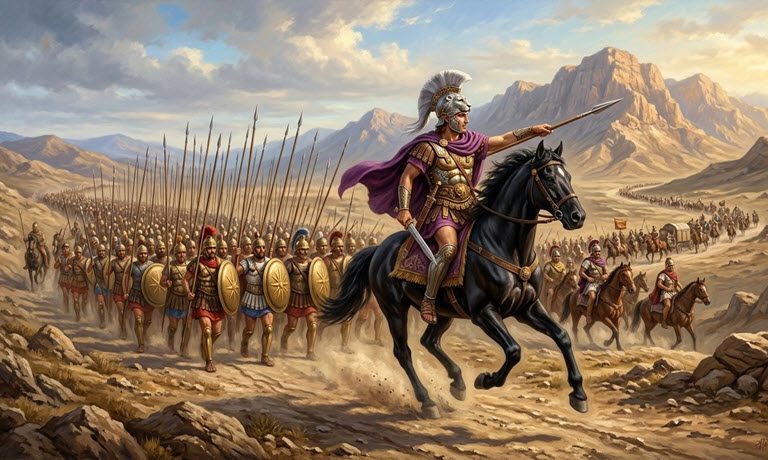
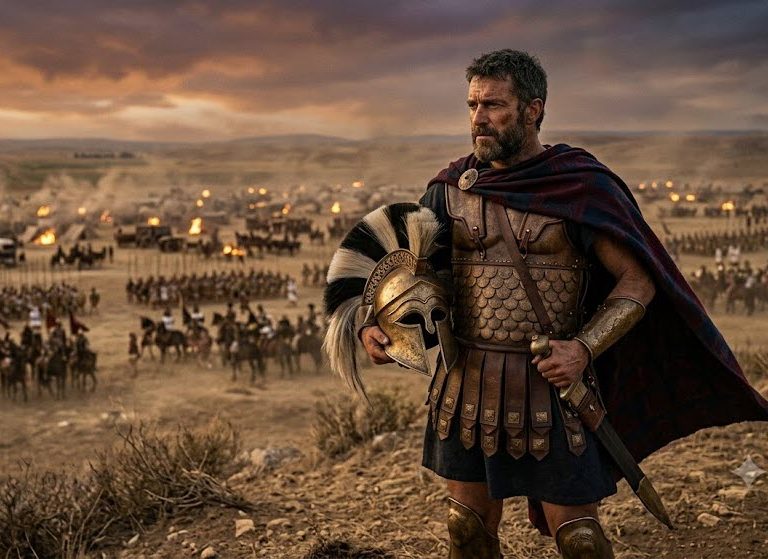
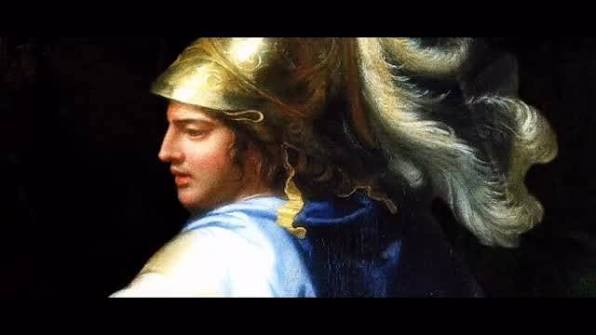
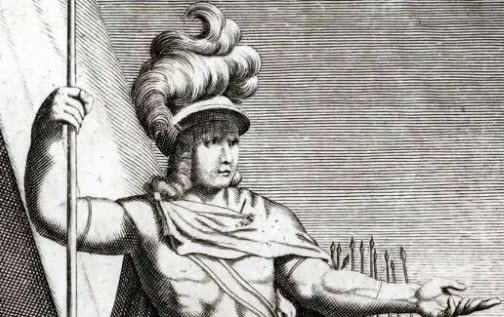
We take another look at the army of Alexander the Great with two of his most trusted infantry commanders that helped him tremendously in his campaign, even after reaching India and the Hyphasis (Beas) River, as Alexander wanted to push further east toward the Ganges River and the powerful Nanda Empire.
Among the remarkable cast of commanders who served Alexander the Great, Antigonus the One-Eyed and Nearchus the Cretan represent two very different expressions of loyalty, ambition, and capability — one a ferocious land commander who nearly reunited Alexander’s empire by force…
Continuing with the most important commanders and officers of Alexander the Great’s army which conquered the known world we are examining the lives of two more of his close companions that later became rulers of different parts of his empire.
We continue looking at the expedition to the east of Macedonia Alexander’s commanders and this time we decided to take on only one name that of the best friend of Alexander, as they were together from their schooling times. Let us see how their friendship developed and where Hephaestion was useful to Alexander.
We continue with the commanders of Alexander the Great’s expedition to the East of Macedonia with two very important persons in his senior camp. Here we examine the lives of two commanders who started as positive for Alexander’s campaign but finished up problematic…
Together, these three commanders illustrated the multi-faceted nature of Alexander’s campaigns. Parmenion provided the essential strategic framework, Craterus embodied the fierce loyalty and martial spirit of the troops, and Perdiccas represented the sweeping, tragic political ambitions that defined the post-Alexandrian world.
The stories of Seleucus and Neoptolemus represent two vastly different paths taken by the officers who served under Alexander the Great. One went on to forge the largest empire of the Hellenistic age, while the other fell early to betrayal and a bloody duel.
In a series of examining Alexander the Great’s Expedition to the unknown world of the East at the time, we will examine the commanders that stood by their king and assisted him greatly in his campaign. Here we find more about two of the most trusted and capable of his commanders.
Μήπως η κοινωνία έχει διαφορετικές απαιτήσεις από τα δύο φύλα; Για τις γυναίκες, η γήρανση αντιμετωπίζεται ως ένα πρόβλημα που πρέπει να λυθεί, ενώ για τους άνδρες, είναι ένα κατανοητό γεγονός και εξέλιξη της ζωής. – Υπάρχει όμως ακόμη ένα πράγμα που αξίζει να εξετάσουμε: Είναι οι άνθρωποι που αποδέχονται τη φυσική πρόοδο της ηλικίας πιο αξιόπιστοι από εκείνους που την αντιστέκονται;
Η περίοδος 2015–2025 σημαδεύτηκε από πληθωριστικές πιέσεις που περιόρισαν την αγοραστική δύναμη των συνταξιούχων. Όπως καταγράφει η έκθεση «Australia’s Welfare» του AIHW, πάνω από 1,2 εκατομμύρια νοικοκυριά χαμηλού εισοδήματος στην Αυστραλία…
For thousands of years, the Greek concept of φιλοξενία — filoxenia, the sacred duty of hospitality toward strangers — defined how Greeks related to the outside world. Rooted in ancient tradition and even divine command (Zeus himself was the protector of guests, known as Zeus Xenios “Ξένιος Δίας”), filoxenia meant shelter, food, and respect
The formula is well established. A studio acquires the rights to a story rooted in a specific culture — Greek epic, Japanese folklore, African legend, Arab literature — and begins the process of transformation. Names are anglicised or dropped. Settings are softened.
Across all major Western European languages, scientific vocabulary is uniquely uniform. This is because from the Renaissance through the 19th century, European scientists deliberately used Classical Greek and Latin as a lingua franca to create new words.
Protected by Security by CleanTalk