
Ὁ Ἕλλην κάτοικος τῆς Μακεδονίας
Ἀριστοτέλης Ντοβόρης,
συγγραφεὺς ὁμηριστής, μήστωρ ἐργοδηγὸς ἠλεκτρονικὸς μηχανώμενος
The Hellene inhabitant of Macedonia
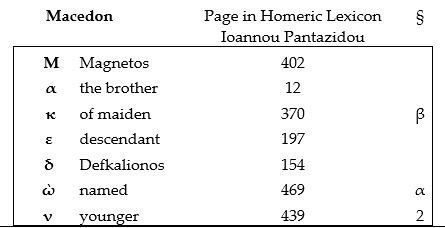
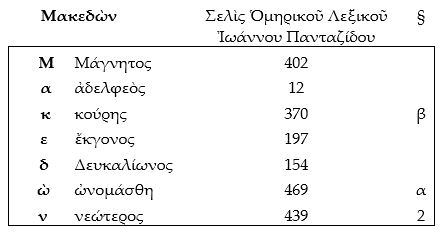
| English Translation Macedon | |
| Μακεδών. Ὁ Ἕλλην κάτοικος τῆς Μακεδονίας. Ὁ ἀδελφὸς τοῦ Μάγνητος ὁ νεώτερος ἔκγονος (υἱὸς) τῆς κόρης τοῦ Δευκαλίωνος ὠνομάσθη Μακεδών. Ὁ Ὀδυσσεύς (Ὅμηρος) εἰς τὸν κατάλογον τῶν νηῶν, (ΙΛ. Β 756 – 759) ἐκτὸς τῶν ἄλλων ἑλληνικῶν λαῶν – ἐθνῶν – μνημονεύει καὶ τὸ ἔθνος τῶν Μαγνήτων, ἤτοι τῶν ἀπογόνων τοῦ Μάγνητος ὅστις ἦτο υἱὸς τοῦ Διὸς καὶ τῆς Πρωτογενείας θηγατρὸς τοῦ Δευκαλίωνος καὶ Πύῤῥας· καθὼς καὶ τὴν ἡγεσίαν τῶν Μαγνήτων καὶ τὴν γεωγραφίαν τῆς περιοχῆς, ἤτοι τὸν τόπον τῆς κατοικίας αὐτῶν. ΙΛ.Β 756 –759 «Μαγνήτων δ᾿ ἦρχε Πρόθοος Τενθρηδόνος υἱός, οἳ περὶ Πηνειὸν καὶ Πήλιον εἰνοσίφυλλον ναίεσκον· τῶν μὲν Πρόθοος θοὸς ἡγεμόνευε, τῷ δ᾿ ἅμα τεσσαράκοντα μέλαιναι νῆες ἕποντο.» [ Τῶν δὲ Μαγνήτων (Μάγνης – Μακεδὼν) ἦρχεν ὁ Πρόθοος υἱὸς τοῦ Τενθρηδόνος, οἵτινες περὶ τὸν Πηνειὸν καὶ τὸ πυκνόφυλλον Πήλιον κατοίκεον· αὐτῶν μάλιστα ἡγεμόνευεν ὁ ταχὺς Πρόθοος, μ᾿ αὐτὸν συνάμα τεσσαράκοντα μελαναὶ νῆες ἕποντο.] ὉὍμηρος (Ὀδυσσεὺς) εἰς τὰ ἔπη του δὲν ἀναφέρεται εὐθέως εἰς τοὺς γονεῖς Δία – Πρωτογένειαν τῶν δύο ἀδελφῶν Μάγνητος καὶ Μακεδόνος· ἀναφέρεται ὅμως ὁ ποιητὴς Ἠσίοδος εἰς τά «ἀποσπάσματα ». Ἀλλὰ καὶ τοῦτος, ἐμμέσως πλὴν σαφῶς, ἀναφέρει τὴν μητέραΠρωτογένειαν τῶν δύο ἀδελφῶν, ἐπειδὴ τὸ πρότερον κείμενον εἶνε λιπέν,συνεχίζει μὲ τὴν φράσιν: « ἣ δ᾿, » ἤτοι: καὶ κείνη. Ἠσίοδος. Γυναικῶν κατάλογος ἢ Ἠοίαι. 3, 7 «Ἣ δ᾿ ὑποκυσαμὲνη Διὶ γείνατο τερπικεραύνωϊ υἶε δὶω, Μάγνητα Μακηδόνα θ᾿ ἱππιοχάρμην, οἳ περὶ Πιρρίην καὶ Ὄλυμπον δώματ᾿ ἐναιον. » [ Καὶ κείνη ἐγγαστρωμένη γέννησεν ἐκ τοῦ τερπικεραύνου Διὸς δύο υἱούς, τὸν Μάγνητα καὶ τὸν ἁρματομάχον Μακηδόνα, οἵτινες κατοίκεον τὰ δώματα περὶ τὴν Πιερίην καὶ τὸν Ὄλυμπον. ] Πρόκειταιπερὶ τῆς Πρωτογενείας θυγατρὸς τῶν βασιλέων Δευκαλίωνος καὶ Πύρρας, οἱ ὁποῖοι ἐβασίλευσαν εἰς τὴν περιοχὴν τῆς κατόπιν ὀνομασθείσης εἰς Θεσσαλίαν. Ὁ θεὸς Ζεὺς μετὰ τῆς Πρωτογενείας γέννησε πρῶτα τὸν Μάγνητα καὶ ἔπειτα τὸν ἀδελφὸν αὐτοῦ τὸν Μακεδόνα· ὡς ἐκ τούτου οἱ Μάγνητες καὶ οἱ Μακεδόνες εἶνε θεϊκὰ γένη. Δευκαλίων + Πύρρα→ Ἕλλην, Ἀμφικτύων, Πρωτογένεια Πρωτογένεια + Ζεὺς→ Μάγνης, Μακεδών. Ἡ ἐτυμολόγησις τῶν ὀνομάτων « Μακεδών – Μακεδονία » ἀπὸ τὸ σύνολον τῶν φιλολόγων, καθηγητῶν, διδασκάλων, ἱστορικῶν, ἑρμηνευτῶν, ἐρευνητῶν, πολιτικῶν καὶ ἱερέων, εἶνε λανθασμένη· πάντες ὑποστηρίζουν πὼς τὰ δύο αὐτὰ ὀνόματα προέρχονται ἐκ τοῦ ἐπιθέτου «μακεδνὸς» ὅπερ σημαίνει: μηκεδανός, εὐμήκης, ῥαδινός, ὑψηλός, μακρύς. Αὐτὸ τὸ ἐπίθετον, δὲν ἀφορᾷ ἀνθρώπους, ἀλλὰ μᾶλλον τὰ δένδρα, ὁ Ὅμηρος ἅπαξ τὸ ἀναφέρει: «οἷά τε φύλλα μακεδνῆς αἰγείροιο,» ἤτοι: ὡσὰν καὶ τὰ φύλλα τῆς ὑψηλῆς λεύκας, (ὀδ. η 106). Ἡ ἑλληνικὴ γλῶσσα διαθέτει ἕτερα ἐπίθετα ἵνα προσδιορίζῃ τὸ ὕψος, δέμας ἢ φυὴν τῶν ἀνθρώπων, ὥς: ὑψηλός, μέγας, ῥαδινός· ἐξ ἄλλου οἱ Μακεδόνες δὲν εἶνε δυνατὸν ἅπαντες ἢ καὶ οἱ περισσότεροι αὐτῶν νὰ εἶνε ὑψηλοί, ὁ Μέγας Ἀλέξανδρος δὲν ἦτο ὑψηλός, ὡς πρὸς τὸ δέμας. Τὸ ὄνομα Μακεδὼν εἶνε οὕτω κωδικοποιημένον, ἐκ τῆς ἑλληνικῆς γλώσσης, οὕτως ὥστε οὐδεὶς δύναται ν᾿ ἀμφισβητήσῃ τὸ περιεχόμενον τῶν πληροφοριῶν διότι καταγράφει πληροφορίας καταγωγῆς, συγγενείας καὶ ἡλικίας μεταξὺ τῶν ἀδελφῶν Μάγνητος καὶ Μακεδόνος υἱῶν τοῦ Διὸς καὶ Πρωτογενείας, τῆς θυγατρὸς τοῦ Δευκαλίωνος καὶ Πύῤῥας. Ὁβασιλεὺς Δευκαλίων τῆς Θεσσαλίας,κατὰ τὴν ἑλληνικὴν μυθολογίαν, ἦτο ὁ μόνος διασωθεὶς μετὰ τῆς συζύγου του Πύῤῥας κατὰ τὸν κατακλυσμόν, δι᾿ οὗ ὁ Ζεὺς ἐξηφάνισε τὸ γένος τῶν ἀνθρώπων. Ἀριστοτέλης Ντοβόρης, συγγραφεὺς ὁμηριστής, μήστωρ ἐργοδηγὸς ἠλεκτρονικὸς μηχανώμενος, 6980344838 aristotelis.n@gmail.com Ἐκδόσεις ΗΡΟΔΟΤΟΣ – Μαντζάρου 9 Ἀθήναι, τηλέφωνα: 2103626348, 6976334493 ἐκδότης Δημήτριος Κ. Σταμούλης, info@herodotos.net | Macedon – The Greek inhabitant of Macedonia. The younger brother of Magnetes, descendant (son) of the daughter of Deucalion, was named Macedon. Odysseus (Homer), in the Catalogue of Ships (Iliad II 756–759), besides the other Greek peoples and tribes, also mentions the nation of the Magnetes — that is, the descendants of Magnetos, who was the son of Zeus and Protogeneia, daughter of Deucalion and Pyrrha. He also mentions the leadership of the Magnetos and the geography of their region, that is, the place where they lived. Iliad II 756–759 “Prothoös, son of Tenthredon, led the Magnetes, who dwelt around the Peneios and leafy Pelion. Swift Prothoös was their leader, and with him followed forty black ships.” [And of the Magnetes (Magnes – Macedon) Prothoös, son of Tenthredon, was leader, who lived around the Peneios and densely‑wooded Pelion. Swift Prothoös led them, and with him forty black ships followed.] Homer (Odysseus) in his epics does not refer directly to the parents Zeus and Protogeneia of the two brothers Magnes and Macedon. The poet Hesiod, however, refers to them in the “Fragments.” And he too, indirectly but clearly, mentions Protogeneia as the mother of the two brothers. Because the earlier text is missing, he continues with the phrase “ἣ δ’,” meaning “and she.” Hesiod, Catalogue of Women or Eoiae 3.7 “She, having conceived by Zeus the delight‑thunderer, bore two sons, Magnes and horse‑fighting Macedon, who dwelt around Pieria and Olympus.” [And she, being pregnant, bore from Zeus the delight‑thunderer two sons, Magnes and Macedon the chariot‑fighter, who lived in the dwellings around Pieria and Olympus.] This refers to Protogeneia, daughter of the rulers Deucalion and Pyrrha, who reigned in the region later called Thessaly. The god Zeus, together with Protogeneia, first begot Magnes and then his brother Macedon. Thus the Magnetes and the Macedonians are divine lineages. Deucalion + Pyrrha → Hellen, Amphictyon, Protogeneia Protogeneia + Zeus → Magnes, Macedon The etymology of the names “Macedon – Macedonia,” according to the entire body of philologists, professors, teachers, historians, interpreters, researchers, politicians, and priests, is mistaken. They all claim that these two names come from the adjective makednos, meaning: tall, long, slender. This adjective does not refer to people but rather to trees. Homer mentions it once: “like the leaves of the tall poplar” (Odyssey 7.106). The Greek language has other adjectives to describe the height, size, or build of people, such as: tall, great, slender. Besides, it is impossible that all or even most Macedonians were tall; Alexander the Great was not tall in stature. The name Macedon is thus encoded in the Greek language in such a way that no one can dispute the information it contains, because it records details of origin, kinship, and age between the brothers Magnes and Macedon, sons of Zeus and Protogeneia, daughter of Deucalion and Pyrrha. King Deucalion of Thessaly, according to Greek mythology, was the only one saved together with his wife Pyrrha during the flood by which Zeus destroyed the race of humans. Aristotelis Dovoris, author, Homerist, electronic engineer and foreman – 6980344838 aristotelis.n@gmail.com Herodotos Publications – Athens Ph: 2103626348, 6976334493 Publisher Dimitrios K. Stamoulis info@herodotos.net |
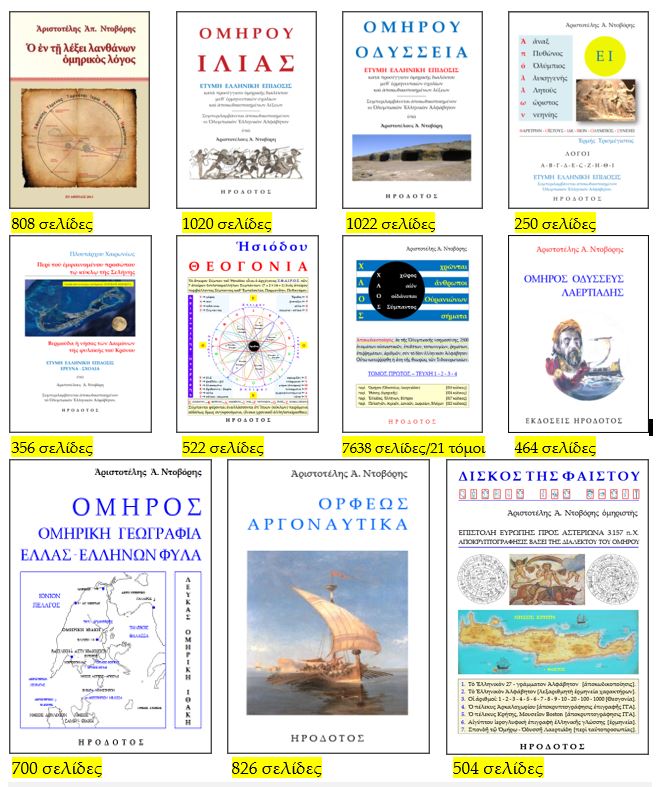
Ἡ σειρὰ Χ. Α. Ο. Σ. ἀποτελεῖται ἀπὸ 21 βιβλία, ἐκδόσεις ΗΡΟΔΟΤΟΣ – Ἀθῆναι 2024. Ἐντὸς τοῦ 2026 εὐελπιστῶ ἵνα τελεσφορήσῃ ἡ ἀπόδοσις τοῦ ἔργου τοῦ Πλάτωνος περὶ Ἀτλαντίδος ΤΙΜΑΙΟΣ – ΚΡΙΤΙΑΣ καὶ ὁ καταποντισμὸς αὐτῆς, τῷ 10.817 π.Χ.
“The series X.A.O.S. consists of 21 books, published by Herodotos Publishing – Athens 2024. By 2026, I hope that the rendering of Plato’s work on Atlantis — Timaeus and Critias — and its submersion, in the year 10,817 B.C., will have been completed.”
 Save as PDF